CHC Machine Control Frequently Asked Questions
1) What's the difference between EasyNAV EMG100 and TX73?
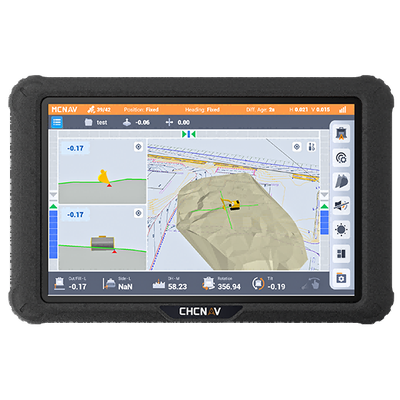
The EasyNAV EMG100 is designed as an entry-level system perfect for contractors getting started with 3D machine control. It features a simplified setup and operation at $12,990
- it cannot import DWG or CAD surfaces, only points. It can
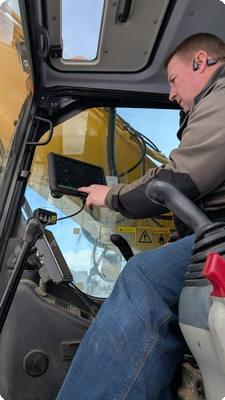
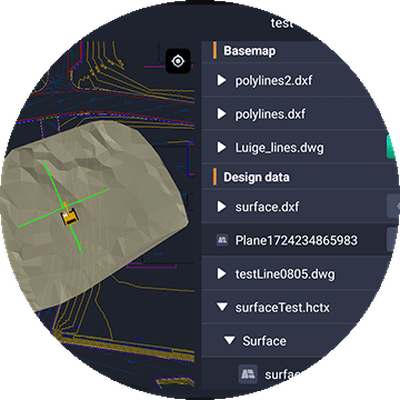
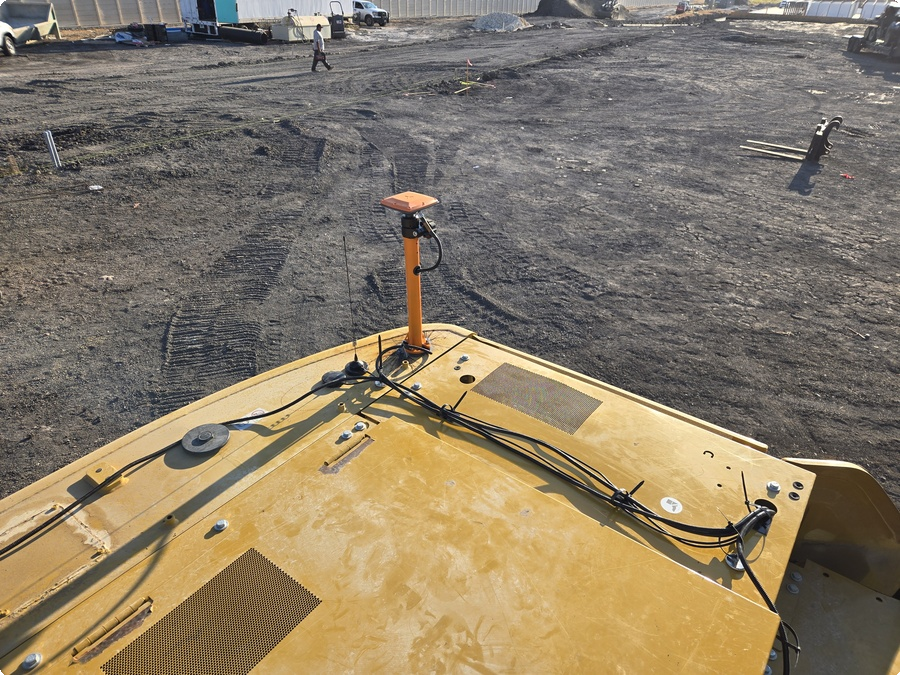
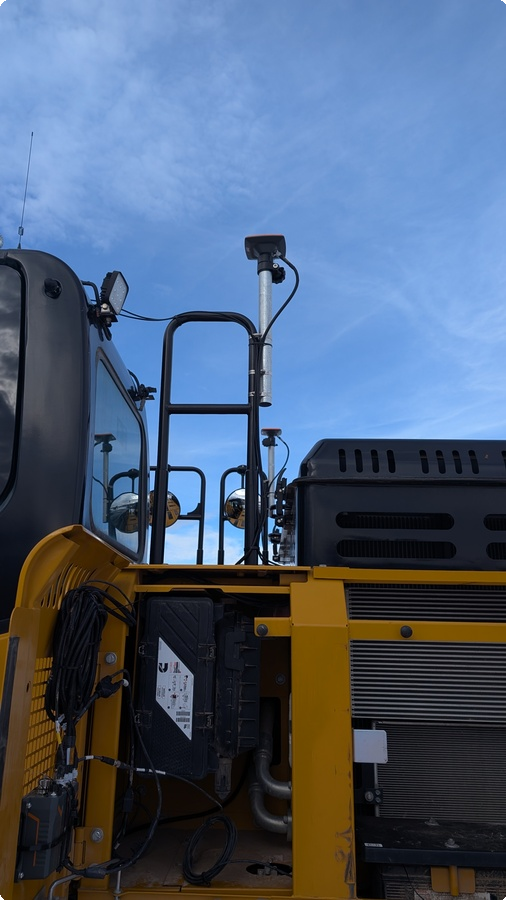
build surfaces and collect points on the tablet. The TX73 is a professional-grade system with advanced features including higher resolution display (1920x1200), dual GNSS
antennas for better heading accuracy, and the MC300 external
receiver. The TX73 is ideal for contractors working on
complex projects requiring quick import of CAD design files.
2) What excavator brands are compatible with these systems?
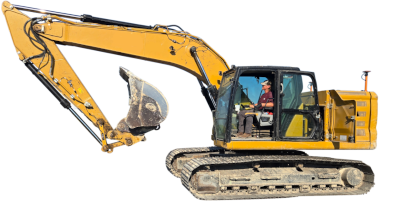
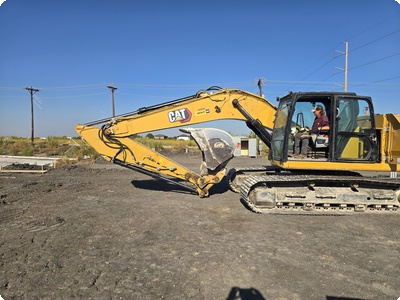
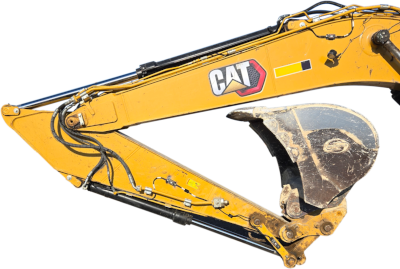
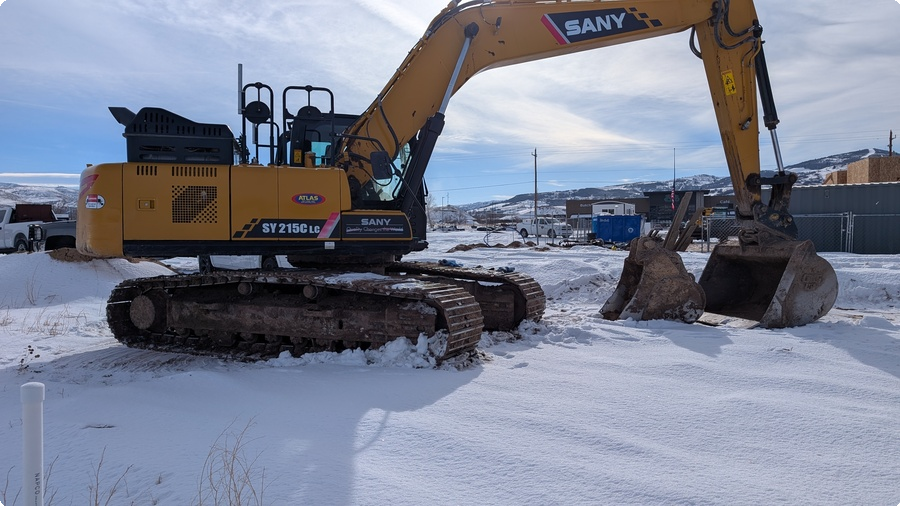
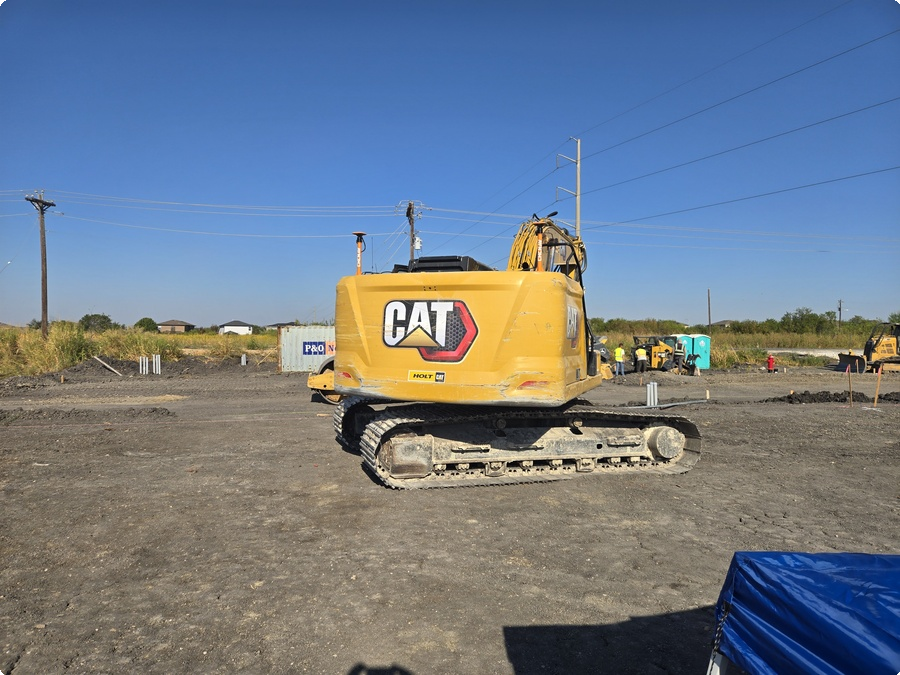
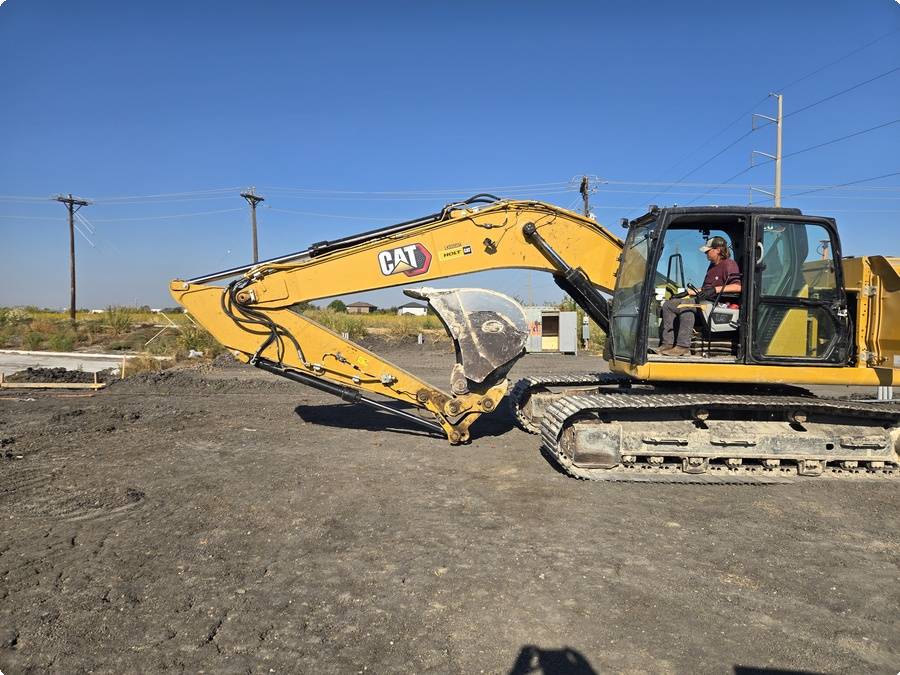
Both the EasyNAV EMG100 and TX73 are compatible with all major excavator brands including Caterpillar, Komatsu, John Deere, Volvo, Hitachi, Kobelco, Case, and more. The systems include universal mounting brackets and can accommodate standard buckets, swing booms, tilt buckets, offset booms, and tiltrotators.
3) How long does installation take?
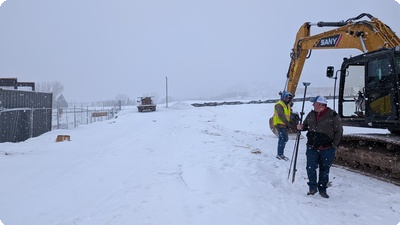
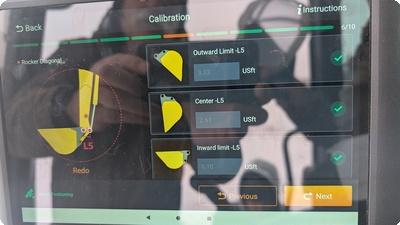
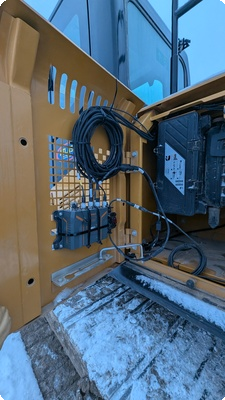
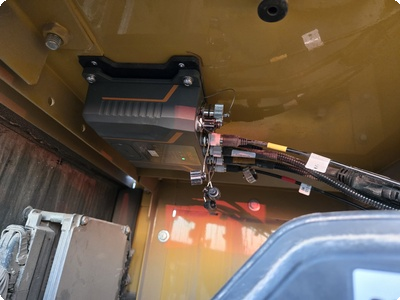
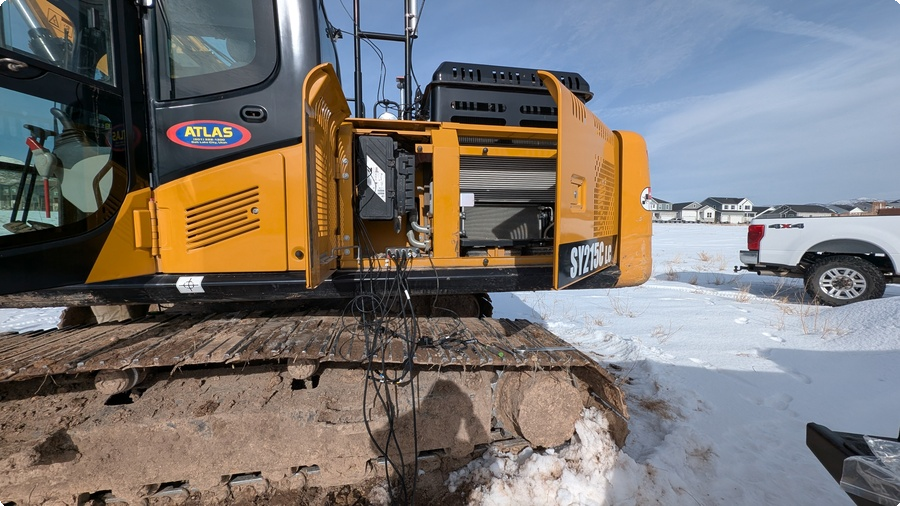
The EasyNAV EMG100 can be installed and calibrated in approximately
6 hours with a single operator using common tools. The TX73, with its additional sensors and components, typically requires
8-10 hours for complete installation and calibration. Both
systems include detailed technical support during setup.
4) What correction sources do these systems support?
Both systems support multiple RTK correction methods including:
- UHF radio base station (ER-2 radio included with EasyNAV, built-in with TX73)
- NTRIP corrections via tablet cellular modem
- APIS corrections via tablet cellular
modem
- External radio protocols including Transparent and Satel
5) Do I need a base station?
You have several options for obtaining RTK corrections:
1) Set up your own base station using an SG7 or SG20AR receiver with UHF radio
2) Subscribe to an NTRIP correction service (requires cellular data connection)
3) Using an SG7
base for APIS satellite corrections (requires cellular
data connection)
For smaller sites (up to 1-2 miles from base), a
local UHF radio base is most economical. For larger sites or when you need to move between job sites, NTRIP or APIS corrections are more flexible.
6) What accuracy can I expect?
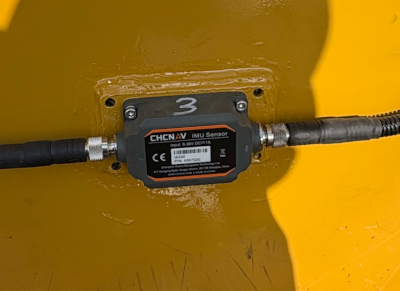
With RTK corrections, both systems achieve horizontal accuracy of 8mm + 1ppm and vertical accuracy of 15mm + 1ppm. The IMU sensors provide ±0.1° dynamic accuracy and ±0.05° static accuracy. This translates to real-world bucket tip accuracy within 1-2cm under typical operating conditions.
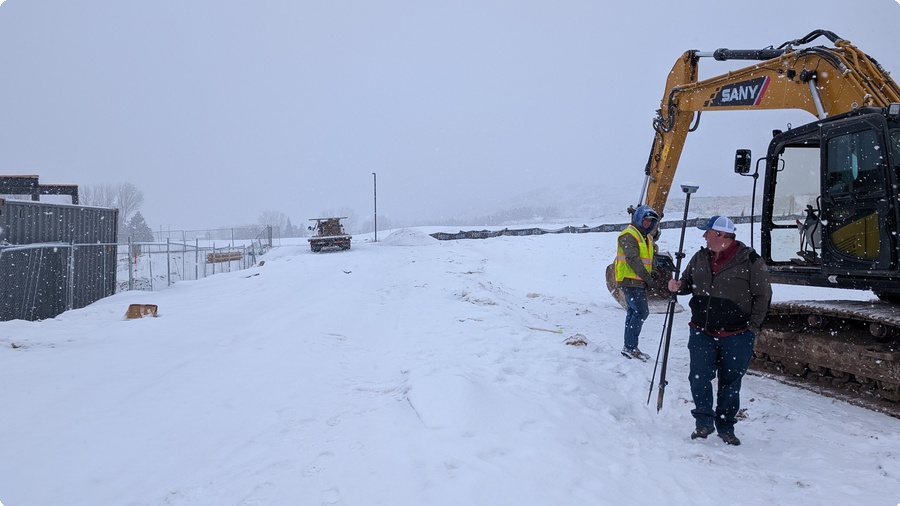
You can hold a rover against the teeth of the bucket and
compare to see results.
7) Can I create designs in the field?
Yes. Both systems include powerful in-field
design capabilities. You can create surfaces from points,
design slopes, create trenches, and modify existing designs
directly on the tablet without needing office support. You
can capture points at the bucket teeth from either system.
8) What file formats are supported?
The systems support industry-standard formats including:
- LandXML (.xml)
- DXF/DWG (AutoCAD)
- Various coordinate system files (*.dc, *.cal, *.jxl, *.lok, *.loc)
9) Is training included?
iGage provides comprehensive support including installation assistance, remote training sessions, and ongoing technical support. The EasyNAV EMG100 is designed for quick learning with most operators becoming proficient within 30-60 minutes of operation. The TX73 includes more advanced features and typically requires 1-2 hours of training.
Each system is extremely easy to use.
10) What warranty and support is provided?
All CHC machine control systems include a standard
1-year manufacturer warranty for parts defect. iGage provides full technical support with regional experts across the United States. Our team can assist with installation questions, troubleshooting, software updates, and general operation guidance.